
Why Does Beard Itch? Causes and Smart Fixes

That sharp, distracting itch often arrives just when your beard starts looking promising. You may be growing it out for the first time, keeping a close-cropped stubble beard, or wearing a fuller shape with clean lines. Either way, the question is the same: why does beard itch? Usually, it is not the beard itself causing trouble. It is the skin underneath asking for better care.
A beard changes the environment on your face. Hair can trap sweat, dead skin, product residue and moisture, while the skin beneath becomes harder to clean and moisturise properly. Add central heating, Rotterdam wind, a rushed morning shave around the neckline, or a new styling product, and irritation can quickly take over.
Why does beard itch when it is growing?
The early growth phase is famous for being uncomfortable. Fresh facial hairs have blunt, firm ends after shaving, so as they push through the skin they can feel prickly. This is especially noticeable on the neck and jaw, where the skin is often more sensitive and hairs may grow in several directions.
Growth can also expose a gap in your usual skincare routine. Before the beard, it was easy for cleanser and moisturiser to reach your face. Once stubble becomes denser, skin can be left dry beneath the hair. Dryness makes the natural shedding of skin cells more visible and more irritating.
There is a trade-off here. Shaving the beard down may give temporary relief, but it does not solve dry skin or poor cleansing. Letting it grow without adjusting your routine can make the itch continue. The better approach is to care for the skin while allowing the beard to reach a length where the hairs soften and sit more naturally.
The most common causes of an itchy beard
Dry skin and beard dandruff
Beard dandruff is often just dry, shedding skin caught in facial hair. It can look like small white flakes on a dark T-shirt or along the beard line. Cold weather, hot showers and strong face washes can strip away the skin's natural oils, making the problem worse.
A flaky beard does not automatically mean poor hygiene. In fact, over-washing can be part of the issue. If you cleanse aggressively twice a day and never replenish moisture, your skin may become tight, irritated and itchy.
Sweat, oil and product build-up
Facial hair catches more than people realise. Sweat after the gym, lunch, coffee foam, city dust, sunscreen and styling products can all collect near the skin. Natural oil, called sebum, is useful in the right amount, but a build-up can create discomfort and leave the beard looking dull.
This is why rinsing your beard with water is not always enough. At the same time, harsh shampoo every day is usually too much. A gentle beard wash a few times a week, adjusted for your skin and activity level, is a sensible middle ground. If you train often or work in a dusty environment, you may need to cleanse a little more frequently.
Ingrown hairs and poor shaving technique
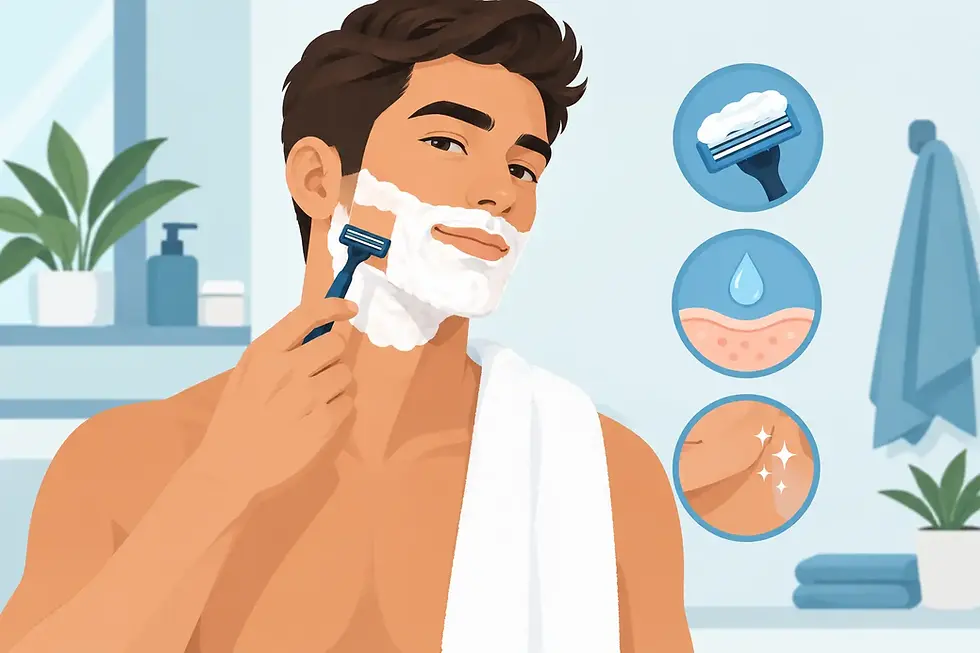
Itch that feels localised, sore or bumpy can be linked to ingrown hairs. These occur when a hair curls or grows back into the skin instead of out of it. They are common after shaving too closely, shaving against the direction of growth, or using a dull blade.
The neckline is a usual problem area. A rushed clean-up with too much pressure can leave small inflamed bumps that itch as they heal. A precise beard line should look clean without being shaved so aggressively that your skin pays for it the next day.
Sensitivity to products
Not every beard oil, balm or aftershave suits every face. Fragrance, alcohol, essential oils and heavy waxes can irritate sensitive skin. If the itch started shortly after introducing a new product, that timing matters.
Stop using the suspected product for a week and keep the rest of your routine simple. If the redness or burning settles, reintroducing it is probably not worth the risk. Premium grooming is not about using the most products. It is about using the right products for your skin, beard density and routine.
How to stop beard itch without overdoing it
Start with a simple reset. Wash your face and beard with lukewarm, not hot, water. Use a mild cleanser or beard wash, then pat the beard dry rather than rubbing it hard with a towel. Damp facial hair left under a scarf, collar or mask can become uncomfortable, so give it a proper chance to dry.
Next, moisturise the skin beneath the beard. For short stubble, a light facial moisturiser may be all you need. For a medium or fuller beard, a few drops of beard oil worked through to the skin can help reduce dryness and make coarse hairs feel softer. The goal is not to leave your beard greasy. Use enough to condition, then comb or brush it through evenly.
A beard brush does more than make the shape look sharper. Used gently, it lifts loose skin flakes, distributes natural oils and trains longer hair to lie in a cleaner direction. Do not scrub at irritated skin, though. If brushing makes your face sting, pause and focus on calming the skin first.
Once or twice a week, gentle exfoliation around the beard and particularly on the neck can help prevent dead skin from building up. Avoid rough scrubs if you have active bumps, cuts or eczema. In that case, less friction is better.
Your beard shape can affect comfort
A beard that has grown without maintenance can hold more moisture and product in uneven areas, while overly sharp home trimming can create irritated edges. Good beard styling is partly about appearance, but it is also about comfort.
Your barber can assess where your hair grows thickest, where it curls, and whether the neckline or cheek line is being shaved too close. This matters because no two beards grow in exactly the same pattern. The right length on the neck may reduce irritation for one man and cause no difference for another.
For men with coarse, curly or fast-growing facial hair, regular professional maintenance is often easier on the skin than constantly correcting the shape at home. A skilled barber can preserve a natural-looking line while avoiding unnecessary pressure and repeated passes with a blade.
When beard itch needs more than grooming
Most beard itch improves with gentler cleansing, consistent moisturising and a better shaving routine. But persistent itch can occasionally point to a skin condition such as eczema, contact dermatitis, folliculitis or a fungal infection.
Pay attention if you have painful pustules, swelling, spreading redness, thick yellow crusting, circular patches of hair loss, or itch that does not improve after two to three weeks of simple care. Do not try to cover those symptoms with heavier oil or balm. A GP or dermatologist can identify the cause and recommend proper treatment.
If you are unsure whether your beard needs a new routine or a better shape, a conversation in the chair can be genuinely useful. At 4MEN.BARBERSHOP, beard work starts with looking at the person, not applying one standard line to every face. A comfortable beard should feel as considered as it looks.
Give your skin a little patience while your beard grows. Keep the routine clean and consistent, avoid chasing every itch with another product, and treat the skin under the beard as carefully as the beard you see in the mirror.


Comments